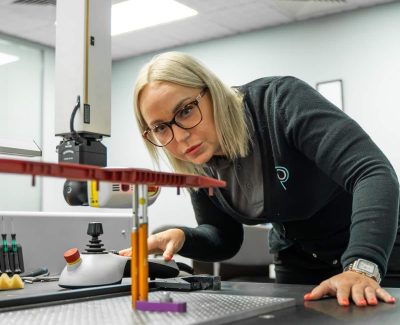
Prototyping gives design teams physical evidence before significant tooling investment is made. PPi can produce parts to assess component form, assembly fit, handling and functional intent, allowing potential issues to be identified while changes remain relatively quick and economical.
Prototype findings can then inform the final CAD model, DFM review and mould tool specification. This creates a more confident route into tooling and reduces the likelihood of late, expensive design changes.
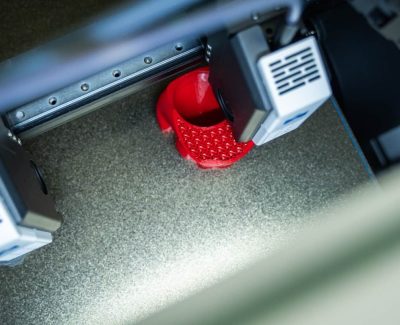
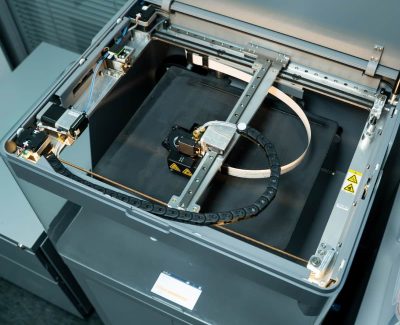
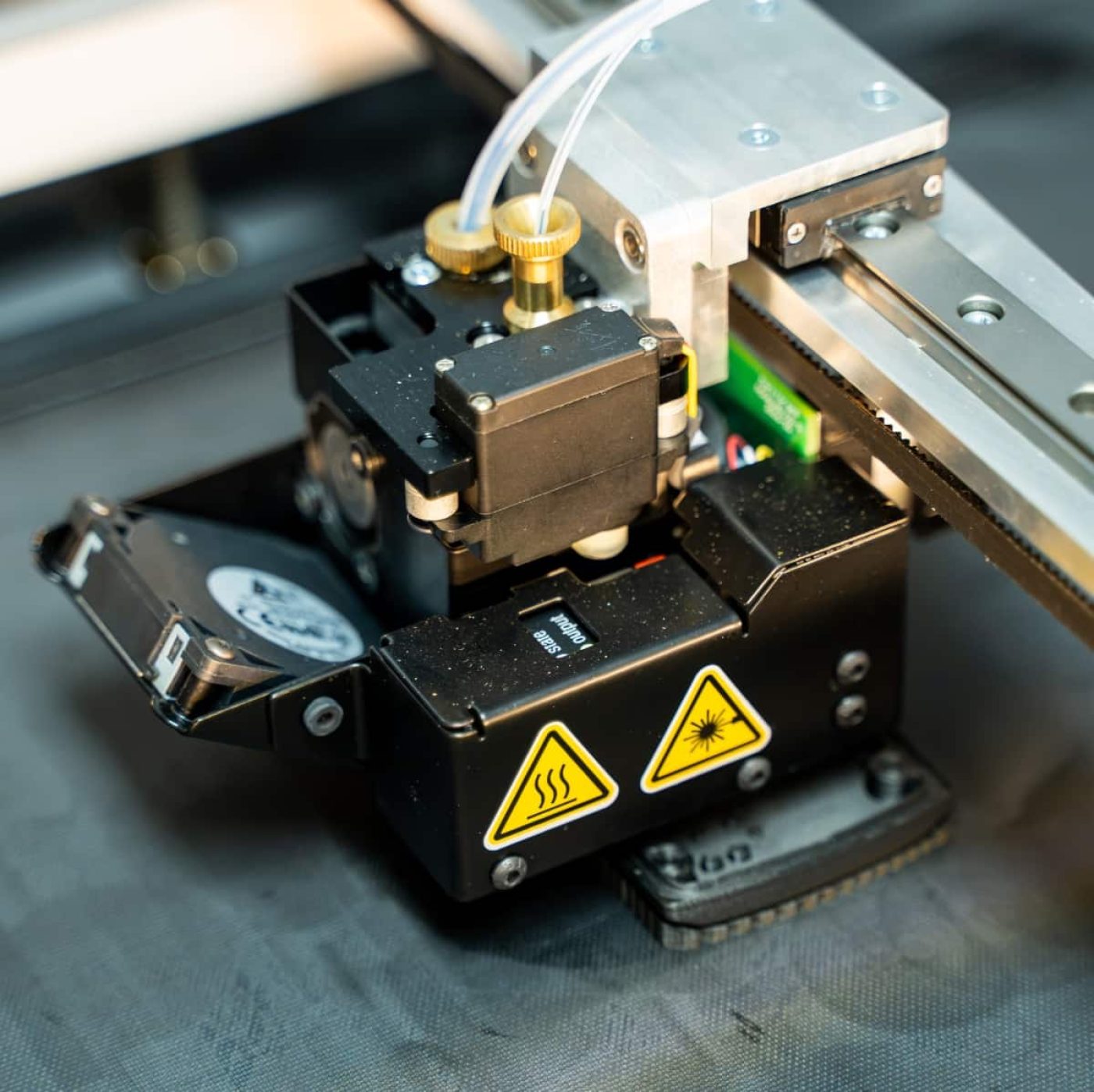
Our Markforged X7 industrial 3D printer produces strong, reliable composite parts for prototyping, fixtures and selected manufacturing applications. Used alongside PPi’s design, reverse engineering and measurement capabilities, it supports a joined-up development process rather than a standalone print service.
Customers can review prototype results with our engineers, compare critical features against requirements and decide what should be refined before drawings and tooling are approved.
Learn how prototyping can reduce development risk, which 3D printing technology PPi uses and how prototype results can support design refinement and dimensional validation.
A prototype can reveal issues with form, fit, assembly or function before production tooling is commissioned, when design changes are usually easier and less costly.
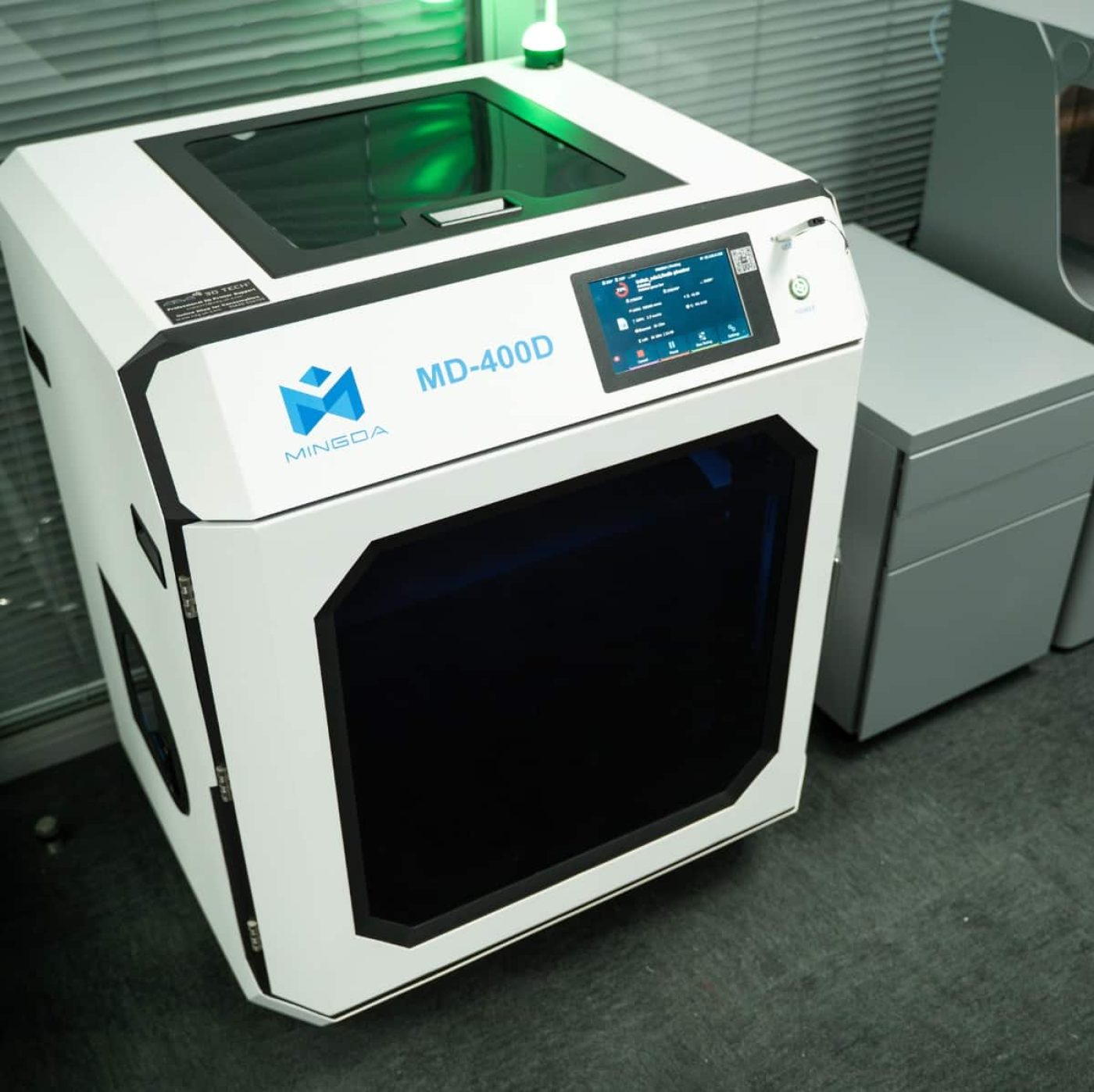
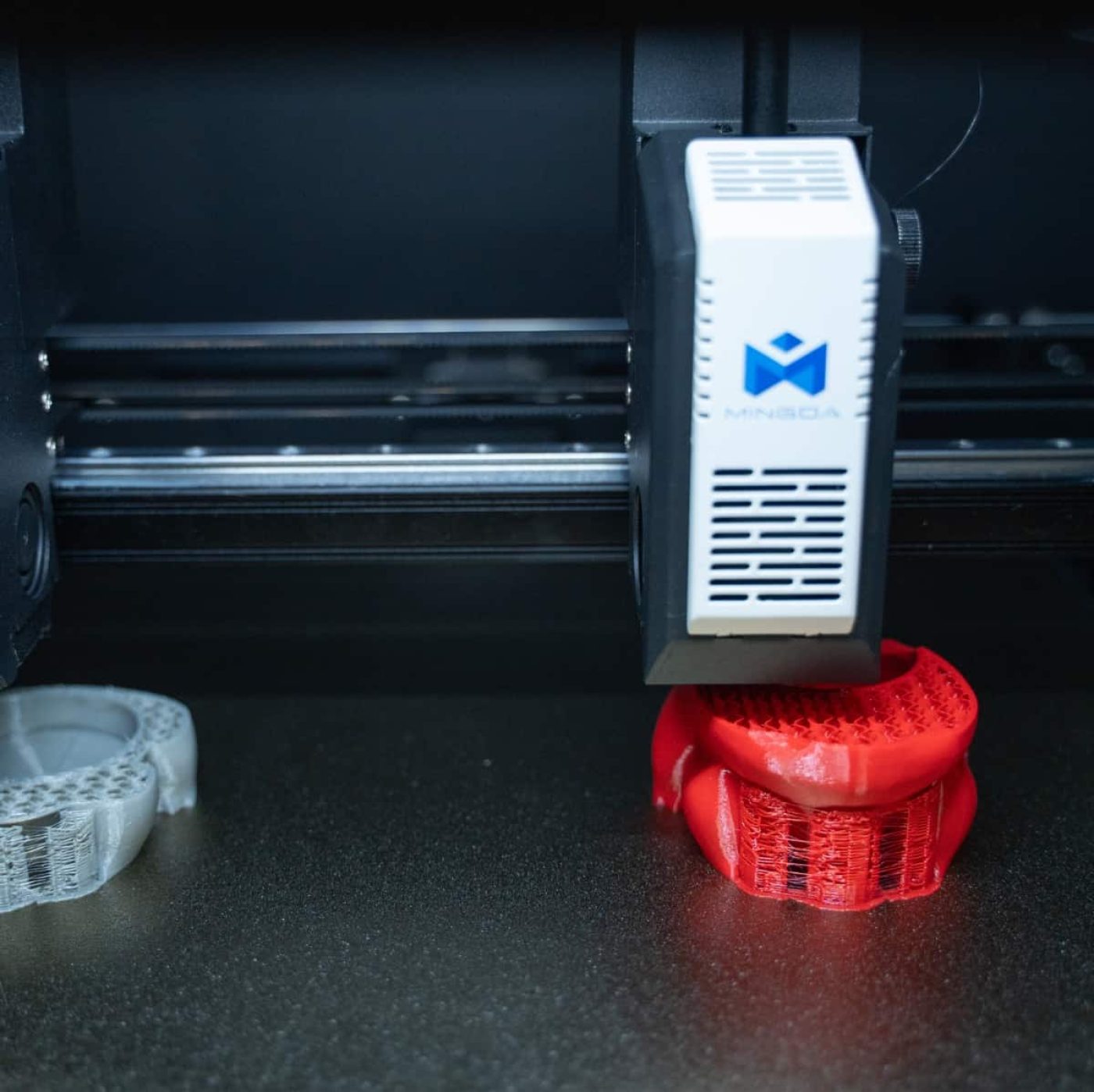
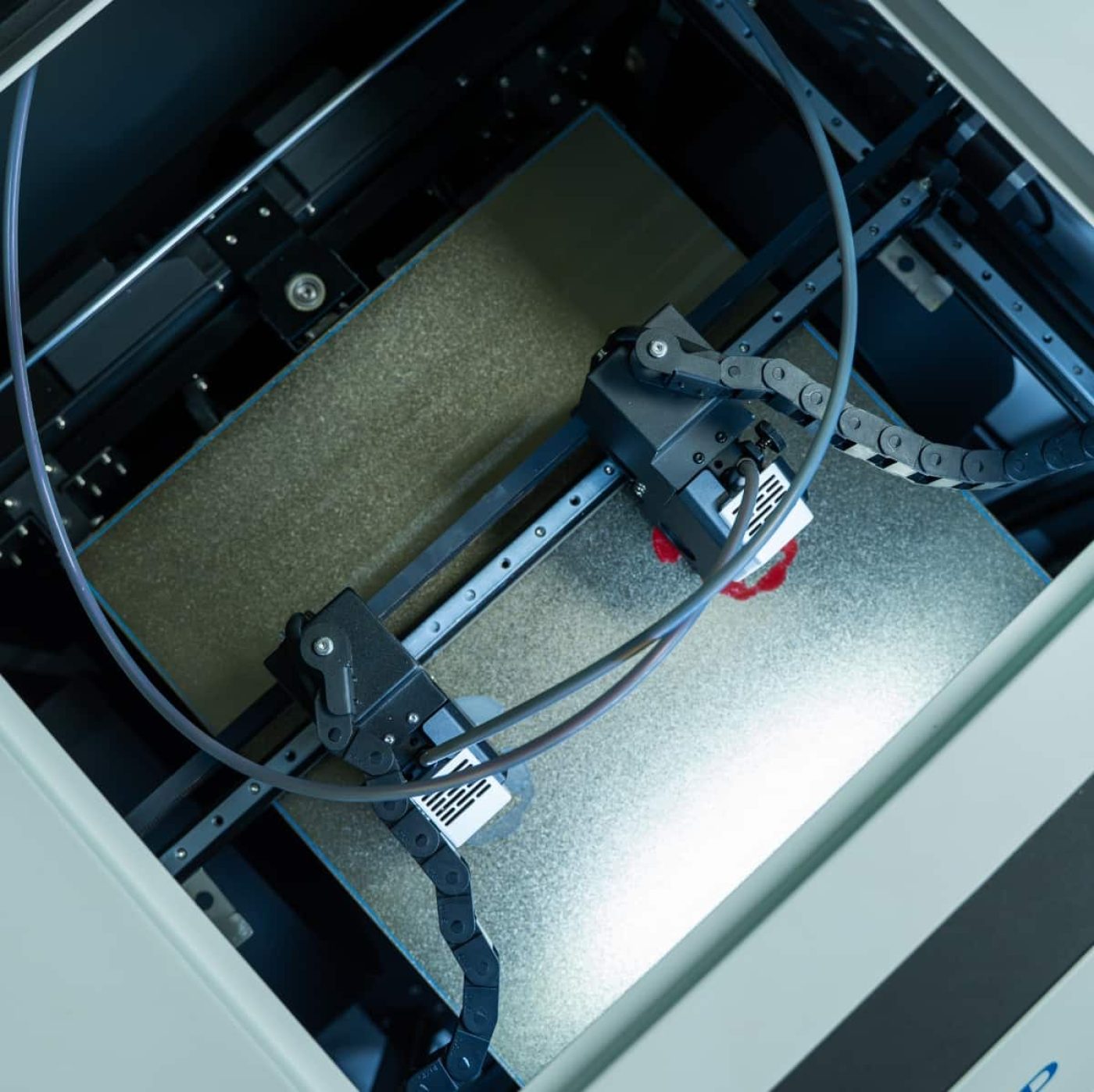
PPi uses a Markforged X7 industrial composite 3D printer to create strong and reliable prototype and manufacturing-support parts. In addition to this we have a Mingda 400D 3D printer with dual print head capability for rapid mixed-material and coloured prints.
Yes. Prototype results can be reviewed alongside DFM findings, dimensional requirements and application needs before final design approval.
Where required, we can inspect prototype samples against defined dimensions to provide early evidence and guide further development.